
50 years Since Concorde Took Flight – Our Small Part in a Supersonic Story
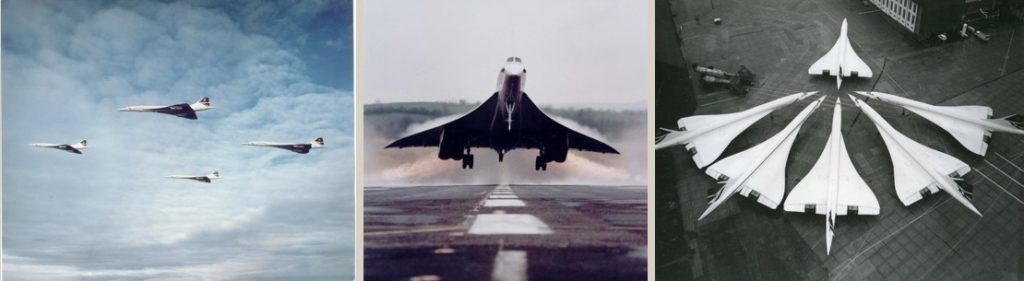
This week marks the 50th anniversary of Concorde’s first commercial flight, a moment that forever changed the way the world thought about air travel. On 21st January 1976, the sleek white aircraft lifted off from Heathrow for the first time and ushered in an era defined by ambition, elegance, and extraordinary engineering. Concorde was more than an aircraft; it was a statement of what was possible when innovation, craftsmanship, and vision aligned.
Capable of cruising at twice the speed of sound, Concorde reduced transatlantic journeys to just over three hours. London to New York became a morning commute rather than an overnight crossing, and passengers stepped off the aircraft having outrun the sun. For nearly three decades, Concorde symbolised the pinnacle of commercial aviation — a blend of cutting-edge technology and refined luxury that has yet to be matched.
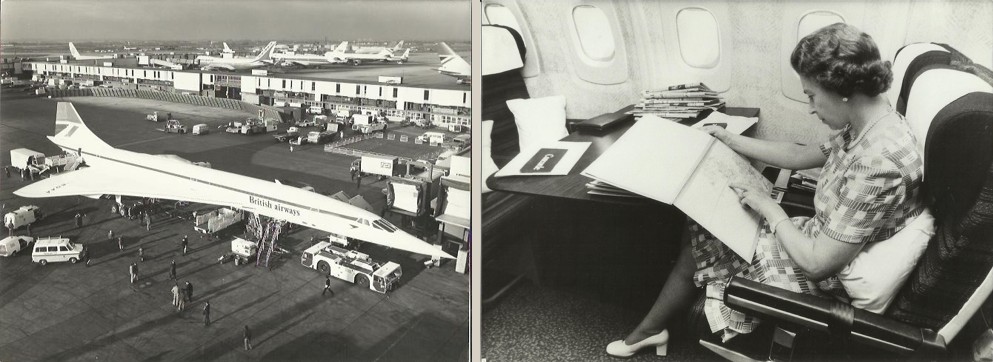
While much has been written about Concorde’s four powerful Rolls Royce/Snecma Olympus 593 engines, its distinctive delta wing, and its drooping nose, the passenger experience was just as carefully considered. Every detail on board was designed to reflect sophistication and comfort, even at 60,000 feet and Mach 2.
We are proud to say that we played a small but meaningful role in that experience.
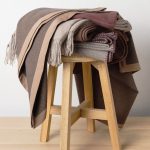
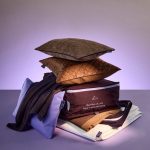
Among many bespoke elements created for Concorde during its lifetime were the wool blankets used on board. Crafted by John Horsfall with care and attention to detail, these blankets were designed to provide warmth and comfort in a unique cabin environment. At supersonic speeds, the aircraft’s skin could heat dramatically due to air friction, yet the cabin itself was carefully cooled and pressurised for passenger comfort. High-quality natural wool was an ideal material — breathable, insulating, and luxurious to the touch. The blankets were woven in our Yorkshire mill from the finest lambswool yarn, featuring a timeless stripe design and a delicate fringed edge.
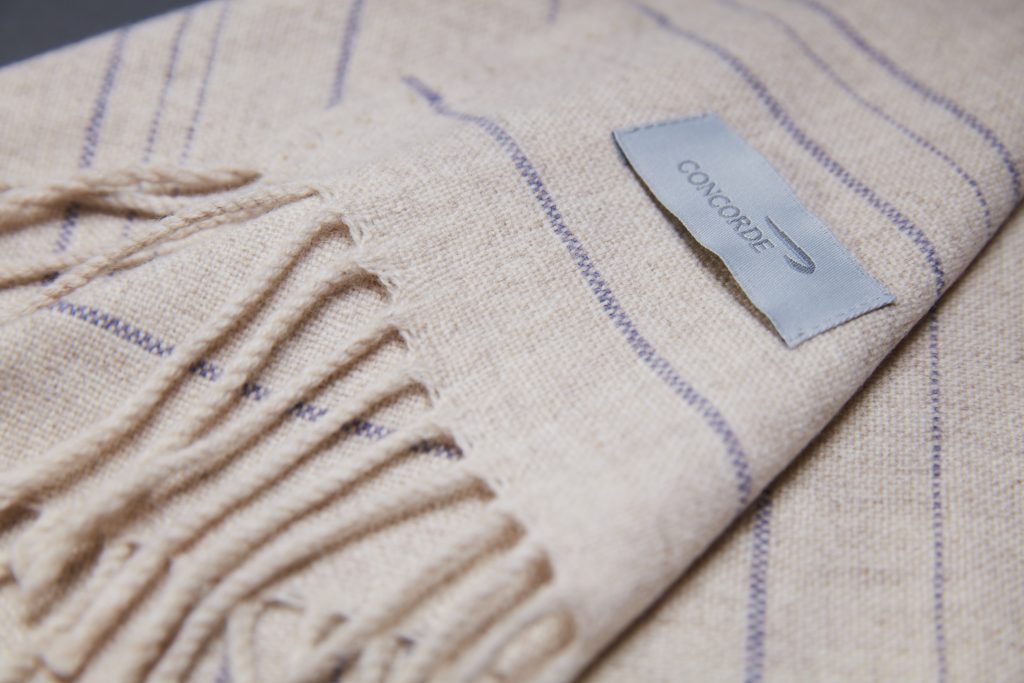
For passengers, these blankets were part of the quiet indulgence of flying Concorde. Wrapped in wool, sipping champagne, and watching the curvature of the Earth from the window, travellers experienced a form of air travel that felt as special as the destination itself. For us, knowing that our craftsmanship accompanied those journeys remains a point of lasting pride.
The story of Concorde is also a reminder that great achievements are rarely the result of technology alone. They are built from thousands of decisions, collaborations, and skilled hands — from aerospace engineers and pilots to designers, manufacturers, and artisans. Even the smallest details mattered, because Concorde was never meant to be ordinary.
Although Concorde’s final commercial flight took place in 2003, its legacy remains. It continues to inspire engineers, designers, and dreamers who believe that speed, beauty, and comfort can coexist. As new conversations emerge around the future of supersonic and sustainable flight, Concorde remains the benchmark — a reminder of what can be achieved when ambition is matched with excellence.
Fifty years on from that first historic flight, we look back with admiration and gratitude. To have contributed, even in a modest way, to such an iconic chapter in aviation history is something we will always cherish. Concorde may no longer fly, but its story — and the craftsmanship behind it — continues to soar.